Bariatric Surgery vs. GLP-1 Medications: Which Weight Loss Treatment Is Right for You?
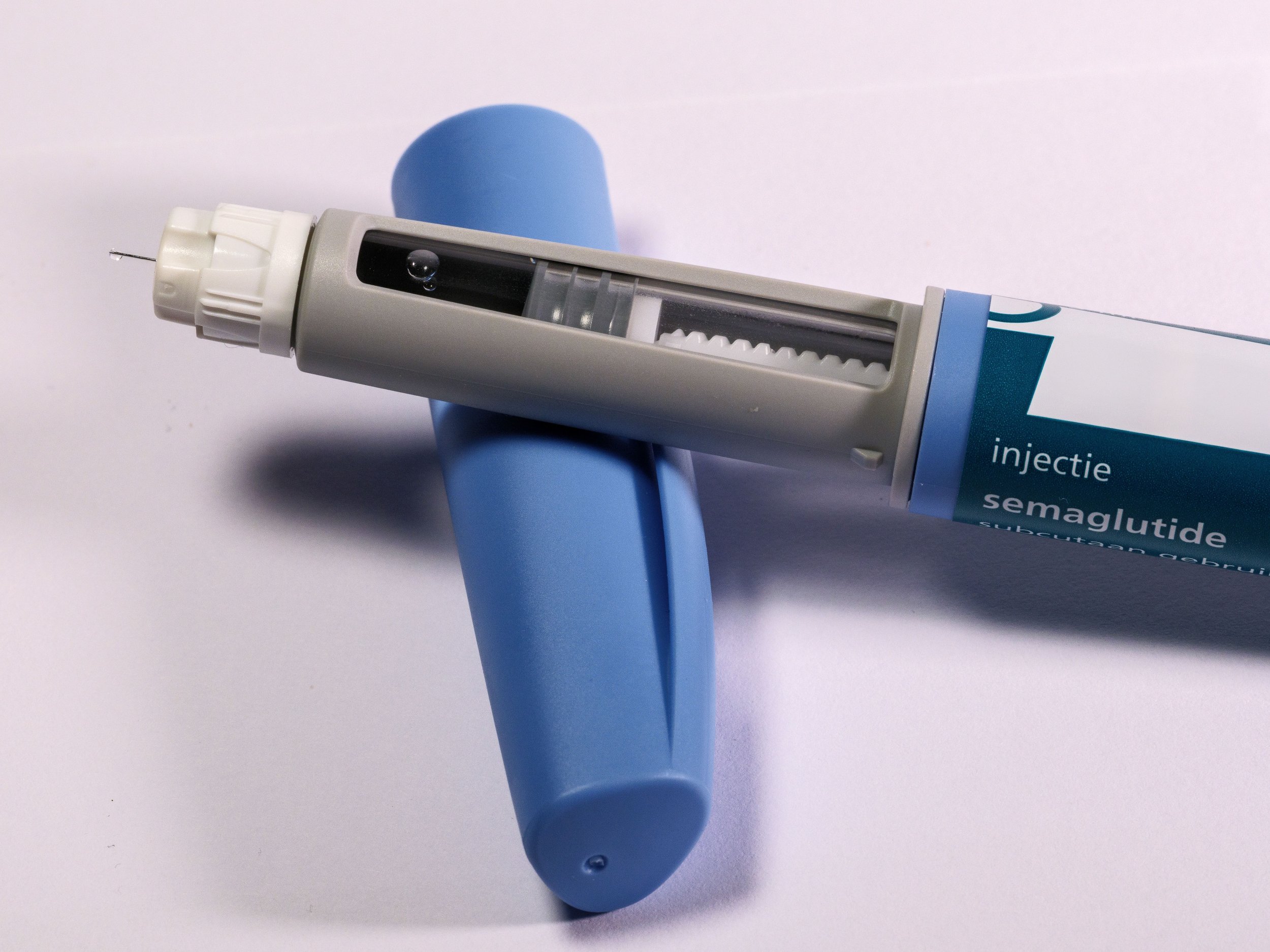
The introduction of GLP-1 medications such as Ozempic®, Wegovy®, Zepbound®, and Mounjaro® has changed the way we treat obesity. These medications have helped many people lose significant weight without surgery, leading many patients to ask:
"Do I still need bariatric surgery if these medications work so well?"
The answer depends on your individual health, weight-loss goals, and long-term expectations. While GLP-1 medications have transformed obesity care, bariatric surgery remains the most effective treatment for severe obesity and offers the most durable long-term weight loss.
Obesity Is a Chronic Disease
Obesity is not simply a matter of willpower. It is a chronic medical condition influenced by genetics, hormones, metabolism, lifestyle, and environmental factors.
Like high blood pressure or diabetes, obesity often requires long-term treatment. Today, that treatment may include lifestyle changes, medications, surgery—or a combination of all three.
How GLP-1 Medications Work
GLP-1 medications reduce appetite, increase feelings of fullness, slow stomach emptying, and improve blood sugar control.
Many patients achieve impressive results:
Semaglutide (Ozempic®/Wegovy®): Average weight loss of about 15%
Tirzepatide (Zepbound®/Mounjaro®): Average weight loss approaching 20–22%
These medications are an excellent option for many patients, especially those with mild to moderate obesity or those who are not ready for surgery.
The Limitations of Weight Loss Medications
Although GLP-1 medications are highly effective, they also have limitations.
Most patients regain weight after stopping treatment, making long-term therapy necessary for many individuals. Insurance coverage can also be inconsistent, and some patients experience gastrointestinal side effects or do not achieve the expected weight loss.
For patients with severe obesity or multiple obesity-related medical conditions, medication alone may not provide enough benefit.
Why Bariatric Surgery Still Matters
Weight loss surgery remains the gold standard for treating severe obesity.
Procedures such as gastric sleeve surgery (sleeve gastrectomy) and gastric bypass typically produce 30–35% total body weight loss, with excellent long-term maintenance.
Beyond weight loss, bariatric surgery can significantly improve or even resolve many obesity-related conditions, including:
Type 2 diabetes
High blood pressure
Obstructive sleep apnea
Fatty liver disease
Acid reflux (particularly with gastric bypass)
Research has also shown that bariatric surgery reduces the risk of cardiovascular disease and can improve life expectancy in appropriately selected patients.
It's Not Surgery or Medication—It May Be Both
One of the biggest changes in obesity care is recognizing that surgery and medication are not competitors.
In fact, they often work best together.
GLP-1 medications may be used:
Before surgery to reduce surgical risk
After surgery if weight regain occurs
To help patients achieve additional weight loss after bariatric surgery
This personalized approach allows patients to receive the right treatment at the right time.
Which Treatment Is Right for You?
The best option depends on several factors, including your body mass index (BMI), medical conditions, previous weight-loss attempts, and personal preferences.
GLP-1 medications may be a good choice if you:
Have mild to moderate obesity
Prefer a non-surgical treatment
Are comfortable taking long-term medication
Have no surgical indication
Bariatric surgery may be the better option if you:
Have severe obesity
Have obesity-related conditions such as diabetes or sleep apnea
Have not achieved lasting success with diet, exercise, or medication
Are looking for the most durable weight-loss treatment available
A consultation with an experienced bariatric surgeon can help determine which approach—or combination of approaches—is best for you.
The Bottom Line
GLP-1 medications have revolutionized obesity treatment, but they have not replaced bariatric surgery.
For many patients, medications are an excellent first step. For others, surgery provides the greatest opportunity for long-term weight loss, improvement in obesity-related diseases, and better overall health.
The goal is not to choose between medication and surgery. The goal is to develop a personalized treatment plan that helps you achieve lasting results.
If you're considering weight loss surgery or wondering whether Ozempic, Wegovy, Zepbound, or Mounjaro are right for you, schedule a consultation with a bariatric specialist. Together, you can explore all available options and choose the treatment that best fits your health goals.
- JRS